

|
As summer draws to a close, winter might be the last thing on your mind. However, now is actually one of the best times to give your roof some attention. Now is the time for winter roof maintenance. Cold temperatures, strong winds, heavy rain, ice and snow can all put additional pressure on your roof. Small problems that go unnoticed during the warmer months can quickly become expensive repairs when severe weather arrives. Taking some time to inspect and maintain your roof now could help prevent avoidable damage, reduce the risk of leaks and give you greater peace of mind throughout the winter.
Why Winter Roof Maintenance MattersYour roof is your home’s first line of defence against the weather. It is constantly exposed to wind, rain, sunlight and changing temperatures, so damage can develop gradually without being obvious from ground level. A missing tile, damaged flashing or blocked gutter might not seem particularly serious on its own. However, once heavy rain or strong winds arrive, these relatively minor issues can become much bigger problems. Carrying out regular checks allows you to identify potential trouble before it develops into an emergency. Check Your Roof for Early Warning SignsYou don’t need to be a roofing specialist to spot some of the more obvious signs that your roof may need attention and complete your winter roof maintenance in plenty of time before the bad weather. When you’re carrying out roof checks before winter, looking around your property or inspecting your loft, keep an eye out for:
If you notice anything that looks unusual, don’t ignore it. Getting a potential problem assessed early can often be much easier and less expensive than dealing with significant water damage later. If you notice a damp patch in your loft and it isn’t the roof, ensure you get a plumber to investigate incase it is a leaking pipe issue https://hertsplumbinganddrainage.co.uk/our-plumbing-services-enfield/ Don’t Forget Your GuttersGutters play an important role in protecting your roof and the rest of your property, so must always be included in your winter roof maintenance. Leaves, moss, dirt and other debris can build up over time and prevent rainwater from flowing away properly. During periods of heavy rainfall, blocked gutters can overflow, potentially allowing water to run down walls or collect around vulnerable areas of the property. Before winter arrives, make sure your gutters and downpipes are clear and flowing correctly. If you’re uncomfortable working at height, it’s always safer to arrange for a professional to carry out the inspection and cleaning. What Is Classed as Storm Damage?One question homeowners often have is: when does bad weather become a storm for insurance purposes? There isn’t one universal definition. Insurance companies can have different criteria and policy conditions, so it’s important to check the wording of your own home insurance policy. Some policies may consider factors such as exceptionally strong winds, severe hail or heavy snowfall when assessing storm-related damage. Insurers may also use local weather data when deciding whether weather conditions were sufficiently severe to meet their definition of a storm. This is why you shouldn’t assume that every type of weather-related roof damage will automatically be covered. Not Every Roof Problem Is Storm DamageIt’s also important to understand the difference between sudden storm damage and problems caused by a lack of maintenance. Insurance policies commonly distinguish between unexpected damage caused by an insured event and deterioration that has happened gradually over time. For example, damage associated with:
may not be covered under your policy. Similarly, items left outside your home can be vulnerable during severe weather, while structures such as fences, gates and hedges may have different cover conditions. Always check your individual policy rather than relying on assumptions about what your insurer will or won’t cover. What About Heavy Rain?
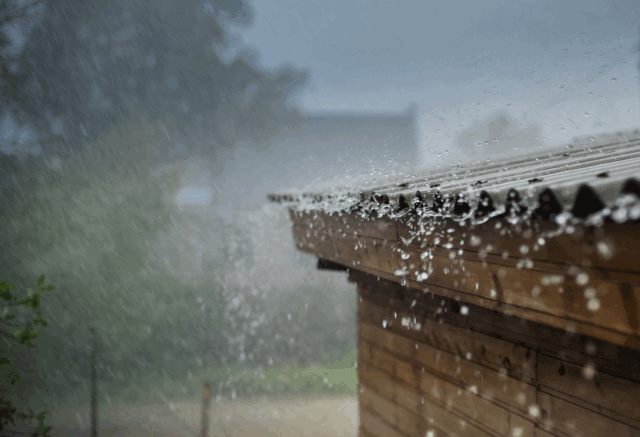
Heavy rainfall can cause problems even when wind speeds aren’t particularly high. Water can find its way through existing weaknesses in a roof, particularly where tiles, flashing, seals or other components have already deteriorated. If you experience water ingress following exceptionally heavy rainfall, document what has happened and contact your insurer if you believe you may need to make a claim. Your insurer can then assess the circumstances against the terms of your policy. Take Photos Before Winter ArrivesOne simple step that homeowners sometimes overlook is keeping a photographic record of their property. Taking clear photographs of your roof, gutters and other vulnerable areas while everything is in good condition can provide a useful record. If damage occurs later, photographs may help demonstrate the condition of the property before the incident. Keep any relevant repair invoices, inspection reports and maintenance records too. A Few Hours of Prevention Could Save a Lot of TroubleWinter weather is unavoidable, but some of the problems it causes can be prevented. A damaged tile, blocked gutter or deteriorating section of flashing is much easier to deal with before severe weather arrives. Regular roof maintenance can help extend the life of your roof, reduce the likelihood of leaks and protect the inside of your home. Don’t wait for the first major storm of the season to discover that your roof needs attention. A little preparation now could save you considerable time, expense and stress later. Final Roof Maintenance ChecklistBefore winter arrives, take a few minutes to make sure you’ve considered:
If you find a problem, getting professional advice sooner rather than later could prevent a small defect from turning into a major winter repair. Prepare your roof now, and you’ll be in a much better position when the wind, rain and cold weather arrive. |

|
|
